
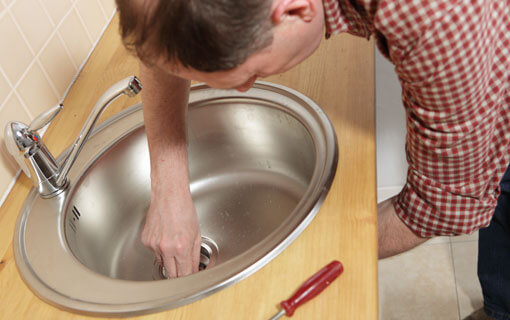
When you’re faced with a slow-draining sink or a clogged shower drain, the temptation to handle it yourself is strong. The aisles of hardware stores are filled with promises of quick, easy fixes in a bottle. A quick online search will yield dozens of DIY remedies using common household items. While some of these methods can be effective for very minor, specific types of clogs, many of them are ineffective at best and can be actively harmful to your plumbing system at worst. Understanding the difference between a helpful home remedy and a situation that requires a professional is key to avoiding a much bigger, more expensive problem down the road.
The Plunger: A Homeowner’s First Line of Defense
The simple plunger is the most effective and safest DIY tool for most homeowners. It works by creating a seal around the drain and using hydraulic pressure to dislodge a blockage. It’s important to use the right type: a cup plunger for sinks and tubs, and a flange plunger for toilets. For a simple clog caused by a single obstruction, a plunger is often all you need.
Hot Water, Baking Soda, and Vinegar: The Classic Home Remedy
This is one of the most popular DIY methods. The process involves pouring boiling water down the drain, followed by a mixture of baking soda and vinegar. The chemical reaction between the baking soda and vinegar creates a fizzing action that can help loosen minor buildup of soap scum or toothpaste.
- When it might work: For very light, recent buildup in a bathroom sink or tub drain.
- When it won’t: It is almost completely ineffective against heavy grease clogs in a kitchen sink or dense hair clogs. Furthermore, as many home advice columns from sources like The Washington Post caution, you should never pour boiling water down PVC pipes, as it can soften the plastic and damage the pipe joints.
The Dangers of Chemical Drain Cleaners
Liquid chemical drain cleaners are by far the most dangerous option on the shelf. These products use powerful, caustic chemicals to generate heat and dissolve blockages.
- The Risks: These chemicals are highly toxic and can cause severe burns to skin and eyes. They are incredibly damaging to the environment. Most importantly, they can cause serious damage to your plumbing. The heat they generate can warp PVC pipes, and the caustic agents can corrode older metal pipes, leading to leaks. If the chemical cleaner fails to clear the clog, you are then left with a pipe full of toxic, standing chemicals, which is extremely hazardous for you and for the professional plumber you will inevitably have to call. Many plumbers will charge extra to work on a drain where chemical cleaners have been used due to the safety risk.
When to Stop and Call a Professional
It’s crucial to know when to admit defeat. You should call a professional if:
- Multiple drains in your home are clogged at the same time (a sign of a main line clog).
- A clog persists after one or two attempts with a plunger.
- You experience frequent, recurring clogs in the same drain.
- There is a foul, sewer-like odor coming from your drains.
A professional has the right tools, like powerful drain snakes and hydro jetting equipment, to not just punch a hole in the clog, but to thoroughly clean the entire pipe, addressing the buildup that causes recurring problems.
Your Experts for Drain Clogs and Stoppages in San Diego
While a DIY spirit is admirable, some jobs are best left to the professionals to avoid causing a more expensive problem. For homeowners in San Diego dealing with a stubborn clog that home remedies can’t fix, the team at Drain Cleaning Experts has the experience and equipment to solve the problem safely and effectively. We handle all types of drain clogs and stoppages. Contact us for professional help today.
 A Division Of Blue Planet Drains & Plumbing Inc.
Our Address: 2252 Main St Suite 12 Chula Vista, CA 91911
License # 892783
Phone Number: (858) 346-5223
A Division Of Blue Planet Drains & Plumbing Inc.
Our Address: 2252 Main St Suite 12 Chula Vista, CA 91911
License # 892783
Phone Number: (858) 346-5223