
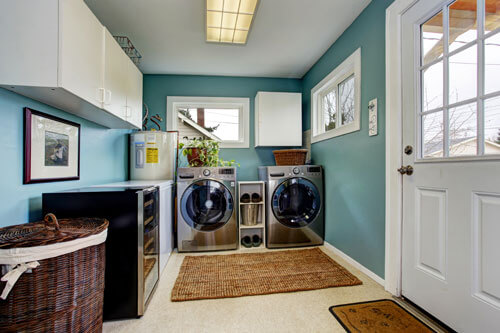
You’ve just put a large load of laundry in the washing machine, and you come back later expecting clean clothes. Instead, you find a washer tub full of murky, standing water, and a puddle beginning to form on your laundry room floor. A washing machine that won’t drain is a common and incredibly frustrating problem. While the issue could be a mechanical failure with the machine itself, the cause is very often a clog in the laundry drain line. Over time, the constant barrage of lint, soap scum, dirt, and debris that gets washed out of your clothes can build up and create a serious blockage in your home’s plumbing.
Understanding the Laundry Drain System
Your washing machine expels a large volume of water at high speed through its drain hose. This hose typically empties into a standpipe (a vertical pipe coming out of the wall) or a laundry tub. This standpipe then connects to a P-trap and a branch drain line, which eventually leads to your home’s main sewer line. The clog can form anywhere along this path, from the standpipe itself to deep within the branch drain.
What Causes Laundry Drains to Clog?
Laundry drain clogs are unique because of the specific type of debris they handle. The primary culprits are:
- Lint and Fibers: Every time you wash your clothes, tiny fibers break away from the fabric. These fibers, especially from towels, blankets, and fleece, clump together when wet and are a major cause of clogs.
- Soap Scum and Detergent: Both powdered and liquid detergents can fail to dissolve completely, leaving behind a thick, sludgy residue that coats the inside of the pipes. This soap scum then acts like a magnet, trapping lint and other debris.
- Dirt, Grime, and Small Objects: Heavy dirt, sand, and mud from soiled clothes can settle in the P-trap and create a blockage. It’s also not uncommon for small items left in pockets, like coins, tissues, or even socks, to find their way into the drain line.
One of the telltale signs of a developing laundry drain clog is a gurgling sound coming from the drain as the washer pumps out water. You may also notice a foul, sewer-like odor coming from the drain or the washing machine itself, caused by the buildup of stagnant water and decaying organic matter. As consumer safety organizations often advise, standing water from a drain backup can be unsanitary, so it’s important to address the issue promptly.
Why Professional Cleaning is Necessary
Because washing machines release such a large volume of water so quickly, a partially clogged laundry drain can easily be overwhelmed, leading to a backup and a flood in your laundry room. A simple hand snake often can’t reach the full depth of the clog or effectively clear the sticky soap scum from the pipe walls. A professional drain technician has powerful drain augers and hydro jetting equipment that can reach deep into the line and thoroughly scour the pipes clean. This not only solves the immediate problem but also helps prevent future backups. Major appliance manufacturers, like those featured on home care resource sites like The Spruce, often recommend professional plumbing help for issues beyond the machine’s drain hose.
Your San Diego Laundry Drain Cleaning Experts
A flooded laundry room is a costly and disruptive mess. If your washing machine is draining slowly or not at all, don’t wait for a disaster to strike. For homeowners in San Diego dealing with this frustrating issue, the experienced technicians at Drain Cleaning Experts can help. We provide professional laundry drain cleaning to clear the clog and protect your home from water damage. Contact us today for fast and effective service.
 A Division Of Blue Planet Drains & Plumbing Inc.
Our Address: 2252 Main St Suite 12 Chula Vista, CA 91911
License # 892783
Phone Number: (858) 346-5223
A Division Of Blue Planet Drains & Plumbing Inc.
Our Address: 2252 Main St Suite 12 Chula Vista, CA 91911
License # 892783
Phone Number: (858) 346-5223