
When heavy rain falls in San Diego, where does all that water go? For most commercial properties, HOAs, and residential neighborhoods, the answer is the storm drain system. These drains are the unsung heroes of rainwater management, designed to collect runoff from parking lots, streets, and other paved surfaces and safely channel it away to prevent flooding. However, when these drains become clogged with leaves, sediment, trash, and other debris, they can’t do their job. The result can be costly property damage, safety hazards, and even local environmental pollution. Regular, professional storm drain cleaning isn’t just a maintenance task; it’s a critical investment in protecting your property.
Understanding the Role of a Storm Drain
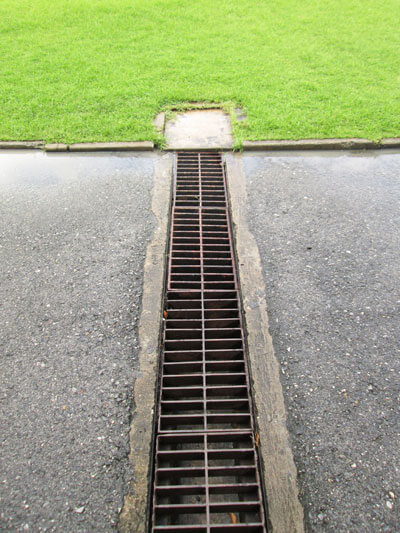
Unlike the sanitary sewer system, which carries wastewater from inside your buildings to a treatment plant, the storm drain system is designed exclusively for rainwater and runoff. It’s a network of catch basins (the grates you see in parking lots and on curbs), underground pipes, and outfalls that discharge directly into local creeks, rivers, and eventually, the ocean. Because this water is not treated, it’s crucial that the system functions properly to prevent pollutants from being carried into our natural waterways.
The Consequences of Clogged Storm Drains
When a storm drain becomes clogged, it sets off a chain reaction of negative consequences:
- Localized Flooding: This is the most immediate and obvious result. When water can’t enter the drain, it pools on the surface. This can lead to flooded parking lots, which can deter customers and damage vehicles. It can also cause water to seep towards building foundations, leading to costly structural damage and basement flooding.
- Pavement and Landscape Damage: Standing water puts immense pressure on asphalt and concrete, accelerating the formation of cracks and potholes. This can lead to expensive pavement repairs. The overflow can also erode landscaping and wash away mulch and topsoil.
- Safety Hazards: Large pools of standing water can be a slip-and-fall hazard for pedestrians and can hide deep potholes from drivers. In the winter, this standing water can freeze, creating dangerous ice slicks.
- Environmental Pollution: Clogged drains can cause trash, chemicals, automotive fluids, and other pollutants sitting on paved surfaces to be washed directly into local waterways instead of being properly managed. As the Environmental Protection Agency (EPA) emphasizes, proper stormwater management is vital for protecting the health of our local ecosystems.
- Pest Infestations: Stagnant water and decaying organic debris in a clogged catch basin create a perfect breeding ground for mosquitoes, rodents, and other pests.
According to many city and county public works departments, property owners are often responsible for the maintenance of the storm drains located on their private property. Neglecting this responsibility can lead to fines and other penalties.
The Professional Cleaning Solution
Cleaning a storm drain system is a heavy-duty job that requires specialized equipment. A professional crew uses powerful vacuum trucks to remove the water and heavy sediment from the catch basin. They then use high-pressure hydro jetting technology to scour the connecting pipes, breaking up hardened blockages and flushing out all debris. This comprehensive cleaning ensures the entire system is clear and ready to handle the next major rainfall.
Protect Your San Diego Property with Storm Drain Cleaning
Don’t wait for a flash flood in your parking lot to realize your storm drains are clogged. Proactive maintenance is the key to preventing property damage and protecting the environment. For commercial property managers, HOAs, and municipalities in the San Diego area, the team at Drain Cleaning Experts provides professional and thorough storm drain cleaning. Contact us today to schedule a cleaning and inspection.
 A Division Of Blue Planet Drains & Plumbing Inc.
Our Address: 2252 Main St Suite 12 Chula Vista, CA 91911
License # 892783
Phone Number: (858) 346-5223
A Division Of Blue Planet Drains & Plumbing Inc.
Our Address: 2252 Main St Suite 12 Chula Vista, CA 91911
License # 892783
Phone Number: (858) 346-5223