
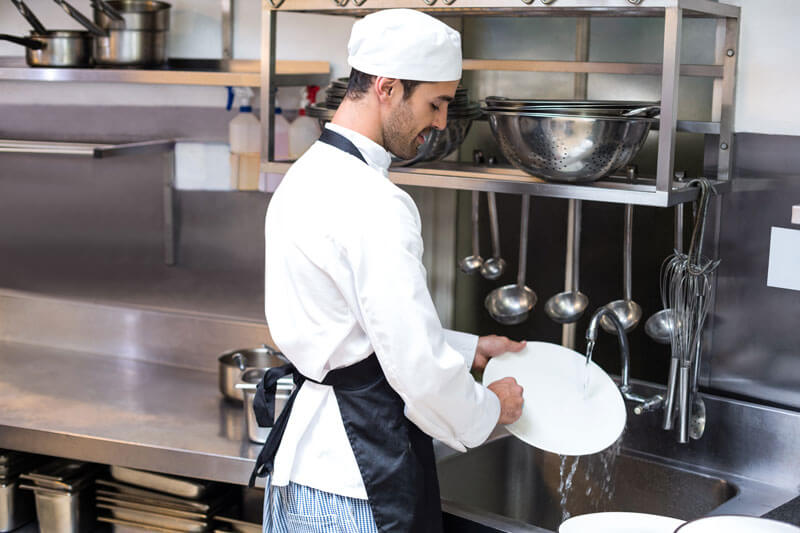
The kitchen sink is the workhorse of your home’s plumbing system. It handles a daily barrage of food scraps, grease, soap, and other debris. So, it’s no surprise that it’s one of the most common places in the house to experience a slow drain or a complete clog. A clogged kitchen sink is a major inconvenience, bringing your daily routine to a halt and often producing unpleasant odors. While some minor clogs are inevitable, if you find yourself constantly dealing with a slow-draining sink, it’s likely due to specific habits that are contributing to buildup in your pipes. Understanding the primary causes is the first step to keeping your drain flowing freely.
The Number One Enemy: Fats, Oils, and Grease (FOG)
The single biggest culprit behind stubborn kitchen sink clogs is the improper disposal of fats, oils, and grease—often referred to as FOG. When you pour hot grease from a frying pan or oily salad dressing down the drain, it might be in a liquid state. However, as it travels down your pipes and cools, it solidifies and clings to the inner walls of the pipes. Over time, this greasy layer builds up, narrowing the pipe’s diameter. Other food particles and debris then get caught in this sticky residue, creating a dense, stubborn blockage that is very difficult to remove with home remedies.
The proper way to dispose of FOG, as recommended by public utilities and environmental agencies like the Environmental Protection Agency (EPA), is to pour it into a can or other container, let it solidify, and then throw it in the trash.
Other Common Causes of Kitchen Clogs
While FOG is the primary villain, several other items contribute to blockages:
- Coffee Grounds: Coffee grounds do not dissolve in water. They clump together in your pipes and can quickly trap other debris, forming a sludgy mass. Always dispose of coffee grounds in the trash or compost.
- Starchy and Fibrous Foods: Foods like pasta, rice, and potato peels can expand when they absorb water, creating a thick, paste-like obstruction. Fibrous vegetables like celery or corn husks can wrap around your garbage disposal blades and create stringy clogs.
- Eggshells: The thin membrane inside an eggshell can wrap around the garbage disposal shredder, and the ground-up shell particles can contribute to sediment buildup in the pipes.
- Using the Garbage Disposal Improperly: A garbage disposal is a great tool, but it’s not an industrial grinder. You should always run plenty of cold water when using it and avoid putting large quantities of food down at once. As home improvement resources like Bob Vila’s website explain, knowing what to avoid is key to the appliance’s longevity.
Expert Kitchen Sink Drain Cleaning in San Diego
When you have a kitchen clog that a simple plunger can’t fix, it’s time to call a professional. A professional drain cleaning technician has the tools, like powerful drain snakes and hydro jetting equipment, to completely clear the blockage and scour the greasy buildup from your pipe walls, preventing the clog from quickly re-forming. For homeowners in San Diego struggling with a slow or blocked kitchen sink, the team at Drain Cleaning Experts can help. We provide professional kitchen sink drain cleaning to get your sink back in working order fast. Contact us to schedule an appointment.
 A Division Of Blue Planet Drains & Plumbing Inc.
Our Address: 2252 Main St Suite 12 Chula Vista, CA 91911
License # 892783
Phone Number: (858) 346-5223
A Division Of Blue Planet Drains & Plumbing Inc.
Our Address: 2252 Main St Suite 12 Chula Vista, CA 91911
License # 892783
Phone Number: (858) 346-5223