
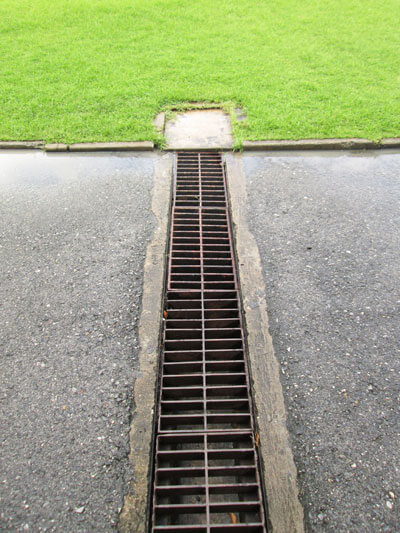
The storm drain system on your commercial property or throughout your HOA community is a critical piece of infrastructure that often goes unnoticed until it fails. These drains are designed to handle the immense volume of water from a heavy rainstorm, protecting your pavement, landscaping, and buildings from flooding. However, they are constantly under assault from leaves, sediment, trash, and other debris. When this debris accumulates, it can create severe blockages that lead to dangerous backups and costly damage. Understanding what causes these blockages and the importance of a professional maintenance plan is essential for any property manager.
The Common Culprits of Storm Drain Clogs
Unlike the sanitary sewer lines that carry waste from inside a building, storm drains are open to the elements, making them susceptible to a wide range of debris.
- Organic Matter: This is the most common cause of blockages. Leaves, grass clippings, twigs, and pine needles get washed into the drains during a storm. Over time, this material decomposes into a thick, heavy sludge that clogs both the catch basin and the connecting pipes.
- Sediment and Silt: Dirt, sand, and gravel from landscaping, nearby construction, or winter road sanding operations constantly wash into storm drains. This heavy sediment settles at the bottom of catch basins and in low spots in the pipes, reducing the system’s capacity and eventually causing a complete blockage.
- Trash and Litter: Plastic bags, bottles, food wrappers, and other man-made trash are major contributors to clogs. This debris can block the grate of a catch basin, preventing water from entering, or it can flow into the pipes and create a snag point for other organic matter. As environmental organizations like the Surfrider Foundation often highlight, this trash is also a primary source of ocean pollution.
- Tree Roots: Just like with sanitary sewer lines, the roots from nearby trees are naturally drawn to the constant source of moisture within a storm drain pipe. They can infiltrate through small cracks or joints in the pipe, creating a dense root mass that acts like a net, catching all other debris that flows down the line.
The Professional Cleaning and Maintenance Process
Maintaining a storm drain system is a heavy-duty job that requires specialized industrial equipment. A professional maintenance plan typically involves several key steps:
- Inspection: A technician will visually inspect all the catch basin grates and the basins themselves to assess the level of debris. In some cases, a robotic video camera may be used to inspect the internal condition of the underground pipes to look for damage or severe blockages.
- Catch Basin Cleaning: A powerful vacuum truck is used to remove all the water, sludge, sediment, and debris from the bottom of the catch basin. This restores the basin’s full capacity to trap heavy sediment before it enters the pipes.
- Hydro Jetting: To clean the connecting pipes, a high-pressure hydro jetting hose is inserted into the line. The water jets scour the inside of the pipes, breaking up hardened blockages, cutting through tree roots, and flushing all the debris out of the system.
Regularly scheduled cleaning, typically once or twice a year depending on the property, is the most effective way to prevent emergency backups.
Protect Your San Diego Property with Storm Drain Cleaning
A clogged storm drain system is a flood waiting to happen. Proactive, professional maintenance is the key to protecting your property value, ensuring safety, and preventing costly damage. For commercial property managers, HOAs, and municipalities in the San Diego area, the team at Drain Cleaning Experts provides comprehensive and professional storm drain cleaning. Contact us to create a maintenance plan that’s right for your property.
 A Division Of Blue Planet Drains & Plumbing Inc.
Our Address: 2252 Main St Suite 12 Chula Vista, CA 91911
License # 892783
Phone Number: (858) 346-5223
A Division Of Blue Planet Drains & Plumbing Inc.
Our Address: 2252 Main St Suite 12 Chula Vista, CA 91911
License # 892783
Phone Number: (858) 346-5223