
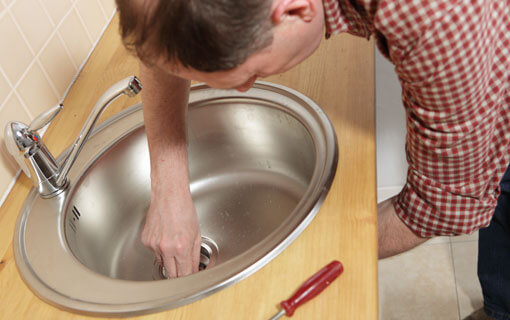
Dealing with a completely clogged drain is a messy, frustrating, and often expensive experience. But the truth is, most stubborn drain clogs don’t happen overnight. They are the result of weeks, months, or even years of gradual buildup. The good news is that with a little knowledge and some simple, proactive habits, you can prevent the vast majority of these blockages before they ever start. By understanding what causes clogs in different areas of your home, you can take control of your plumbing health and save yourself a major headache down the road.
The Kitchen Sink: Battling Grease and Food Waste
The kitchen sink is the most common site of clogs, primarily due to the buildup of fats, oils, and grease (FOG).
- The Golden Rule: Never pour grease down the drain. Even if you chase it with hot water, it will eventually cool and solidify on your pipe walls. Pour cooled grease into a can and throw it in the trash.
- Scrape Your Plates: Scrape all food scraps into the trash or compost bin before rinsing plates in the sink.
- Use Your Garbage Disposal Wisely: A disposal is not a trash can. Avoid putting starchy, expandable foods (like pasta and rice), fibrous vegetables (like celery), or coffee grounds down the disposal. Always run plenty of cold water while grinding to help solidify grease and flush particles through.
- Regularly Flush with Hot Water: Once a week, after you’re done with the dishes, plug the sink, fill it with a few inches of hot water, then release the plug. The volume and heat of the water can help flush out any minor, recent buildup.
The Bathroom: Conquering Hair and Soap Scum
In the bathroom, the combination of hair, soap, and toothpaste is the primary culprit behind clogs in sinks, showers, and tubs.
- Use a Drain Screen or Hair Catcher: This is the single most effective thing you can do. Placing a simple mesh screen or a specialized hair catcher over your shower and tub drains will trap hair before it can go down the pipe and create a clog. Clean these screens regularly.
- Avoid Flushing Anything But Toilet Paper: The only things that should ever be flushed down a toilet are human waste and toilet paper. So-called “flushable” wipes are a leading cause of main sewer line clogs because they do not break down like toilet paper. Facial tissues, paper towels, cotton swabs, and dental floss should all go in the trash. As the Environmental Protection Agency (EPA) and other water authorities constantly remind the public, toilets are not trash cans.
- Be Mindful of Soap Scum: Traditional bar soaps often contain fats and oils that contribute to soap scum buildup. Consider switching to a liquid body wash or soap, which tends to leave less residue.
When to Call for Professional Maintenance
Even with diligent preventative habits, your drains can benefit from professional attention. If you notice your drains are starting to run slower, or if you detect a foul odor, it’s a sign that buildup is beginning to accumulate deep in the pipes. Having a professional perform a preventative drain cleaning service every few years can remove this deep-seated grime and keep your entire plumbing system flowing smoothly.
Your Experts for Drain Clogs and Stoppages in San Diego
An ounce of prevention is truly worth a pound of cure when it comes to your home’s plumbing. By adopting these simple habits, you can dramatically reduce your chances of a major backup. For those times when a stubborn clog does occur, the team at Drain Cleaning Experts is here to help San Diego homeowners with any and all drain clogs and stoppages. Contact us for preventative maintenance or to solve a current problem.
 A Division Of Blue Planet Drains & Plumbing Inc.
Our Address: 2252 Main St Suite 12 Chula Vista, CA 91911
License # 892783
Phone Number: (858) 346-5223
A Division Of Blue Planet Drains & Plumbing Inc.
Our Address: 2252 Main St Suite 12 Chula Vista, CA 91911
License # 892783
Phone Number: (858) 346-5223