
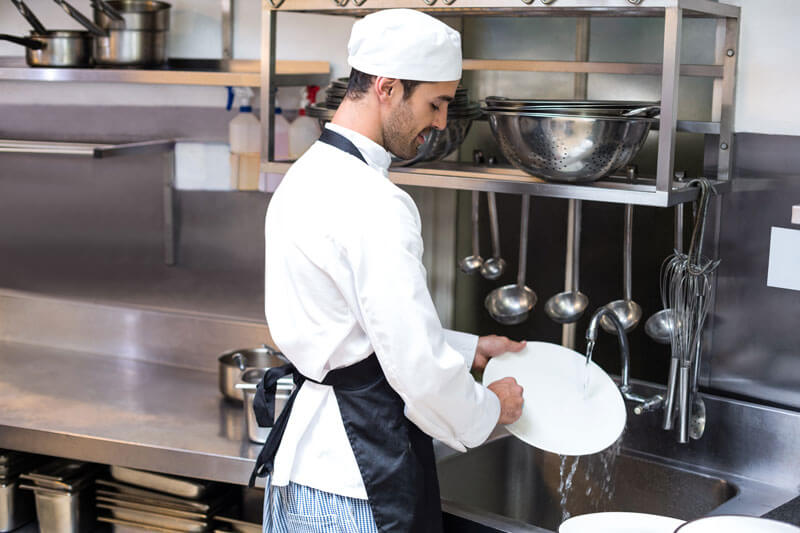
A clogged kitchen sink can bring your entire day to a stop. Whether it’s slow drainage, foul odors, standing water, or gurgling noises, your kitchen sink drain is often under more stress than any other drain in your home. Between grease from cooking, food particles, soap residue, and everyday use, it’s no surprise that kitchen drains are the most common household drains to fail. Understanding why these clogs form—and how professional cleaning solves them long-term—helps homeowners avoid costly repairs and ongoing frustration.
Most homeowners don’t realize that kitchen drain problems build quietly over time. Cooking oils and fats solidify as they cool, forming sticky layers inside the pipe. According to Healthline, oils change in structure as they cool and harden, making them a major culprit in clogged drains. Food particles cling to the grease, creating dense blockages that grow thicker with each wash. Bon Appétit also warns that foods like rice, pasta, and coffee grounds expand in water, leading to stubborn buildup. Even dish soaps and detergents contribute to residue inside the piping, as highlighted by The Kitchn.
Why Kitchen Sink Drains Are the First to Fail
Kitchen drains experience more abuse than any other drain. People rinse pans full of grease, dump scraps from plates, grind food debris through disposals, and run hot water that temporarily melts buildup—only for it to harden deeper in the line. The design of kitchen plumbing also contributes to clogging. Pipes are often smaller in diameter compared to main sewer lines, meaning they clog faster. If a garbage disposal is present, it can push debris deeper into the system, creating compacted blockages far out of reach for store-bought cleaners.
Kitchen sinks also connect to horizontal sections of pipe located behind cabinets and walls. Horizontal runs slow down the flow of water, allowing grease and food particles to settle instead of washing away. Over time, that sediment becomes a blockage.
Why DIY Fixes Don’t Provide Lasting Relief
Many homeowners turn to plungers, hot water flushes, baking soda, or chemical drain cleaners when their kitchen sink slows down. While these methods may temporarily improve drainage, they rarely fix the underlying issue. Chemical cleaners, in particular, can be dangerous. They generate heat that softens PVC pipes and corrodes older metal pipes. Even worse, they often push clogs deeper instead of removing them.
A plunger may dislodge part of a clog, but without clearing the entire pipe wall, the blockage returns quickly. Home remedies also overlook deeper issues, such as debris stuck in the P-trap, buildup in horizontal lines, or grease-packed obstructions several feet down the drain.
How Professional Kitchen Sink Drain Cleaning Works
Professional drain clearing goes far beyond quick fixes. Licensed technicians use tools such as motorized drain snakes and hydro-jetters to clear the entire pipe, not just the portion near the sink. Hydrojetting uses high-pressure water to blast away grease, food debris, mineral layers, and biofilm along the pipe walls. This restores the full diameter of the pipe and helps prevent future blockages.
Professionals also inspect the line to locate hidden issues like:
• Pipe corrosion
• Misaligned connections
• Hard obstructions like utensils or bone fragments
• Grease buildup deep within the wall
• Roots near exterior kitchen lines
With the right equipment and experience, they ensure the entire drain line—not just the section under the sink—is thoroughly cleaned.
Signs Your Kitchen Sink Needs Professional Cleaning
You may need a professional cleaning if you notice:
• Recurring slow drainage
• Gurgling or bubbling sounds
• Water rising into the sink when the dishwasher drains
• Bad odors coming from the drain or disposal
• Standing water that drains only after several minutes
• Frequent clogs despite DIY attempts
These symptoms indicate that buildup has moved beyond surface-level fixes.
Preventing Kitchen Drain Problems Long-Term
After a professional cleaning, homeowners can reduce future clogs by following simple habits:
• Never pour grease or oil down the drain
• Scrape food into the trash before rinsing plates
• Run cold water during and after using the disposal
• Avoid putting fibrous foods, bones, or coffee grounds into the drain
• Flush the drain periodically with hot water
• Use strainers to catch debris
Professional maintenance once or twice a year can also keep heavy-use kitchens in optimal condition.
Your San Diego Experts for Kitchen Sink Drain Cleaning
When buildup, odors, and slow drainage disrupt your kitchen, Drain Cleaning Experts delivers reliable Kitchen Sink Drain Cleaning services that restore smooth flow and prevent future blockages. If you’re ready to finally fix recurring sink problems, reach out anytime through our Contact Us page for fast, professional help.
 A Division Of Blue Planet Drains & Plumbing Inc.
Our Address: 2252 Main St Suite 12 Chula Vista, CA 91911
License # 892783
Phone Number: (858) 346-5223